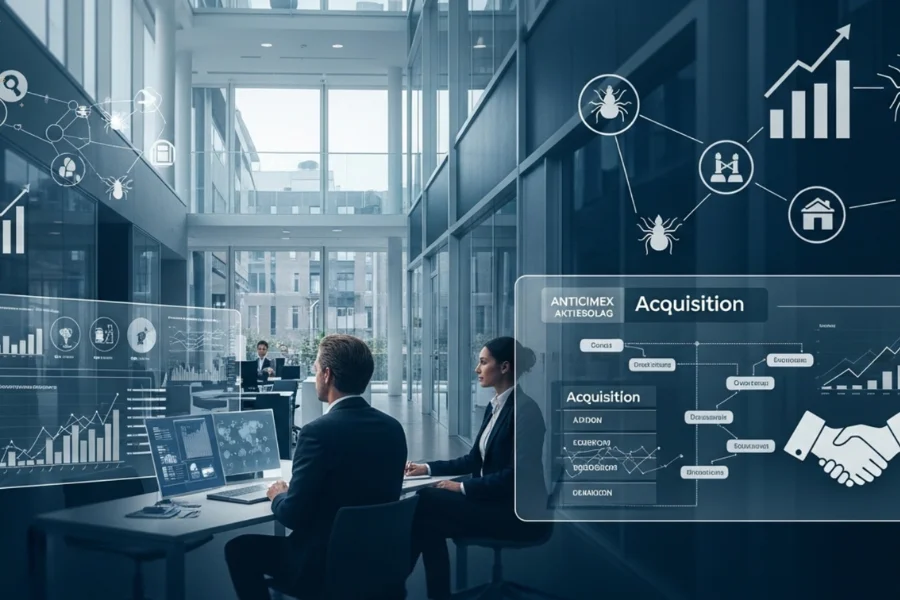
Anticimex Aktiebolag / WiseCon A/S Förvärvsstrategi: Explained for Business Leaders
Anticimex aktiebolag / wisecon a/s förvärvsstrategi: If you think pest control is just about spraying chemicals when something goes wrong, you’re missing the bigger picture. Today, the smartest companies in the industry focus on prevention, data, and long-term growth. That’s exactly what the Anticimex Aktiebolag / WiseCon A/S Förvärvsstrategi is about. It’s not just a fancy term for buying companies. It’s a structured way to grow globally while becoming more digital and more efficient at the same time. Let’s break it down clearly and practically so you can understand how it works and why it matters.
Why This Acquisition Strategy Matters Today
The word förvärvsstrategi simply means acquisition strategy. In basic terms, it’s a plan for growing a company by buying other businesses instead of building everything from scratch. But not all acquisition strategies are smart. Some companies buy competitors just to increase size. Others buy technology because it sounds trendy. The difference here is that this strategy is structured and long-term.
Pest control is a fragmented industry. Many local businesses operate independently in their regions. If a company wants to grow internationally, starting from zero in every country would take decades. Buying strong local companies speeds up that process. You gain customers, trained staff, and market knowledge instantly.
At the same time, the industry is shifting toward prevention. Instead of reacting to pest problems, companies now use monitoring systems and data to prevent infestations. According to Forbes (2026), service businesses that combine recurring contracts with digital monitoring tend to create more stable revenue streams. That’s exactly what’s happening here.
So this strategy matters because it combines geographic expansion with digital transformation. It’s not just growth. It’s smarter growth.
The Companies Behind the Strategy
Anticimex Aktiebolag – From Local Pest Control to Global Platform
Anticimex Aktiebolag began in Sweden in 1934. At the time, pest control was simple and reactive. Technicians would visit properties, inspect manually, and use chemicals when needed. Over time, the company expanded beyond Sweden and developed into a global service platform operating across Europe, North America, Asia-Pacific, and beyond.
What makes Anticimex different is its focus on prevention and recurring revenue. Instead of waiting for customers to call with a problem, it offers ongoing monitoring contracts. This creates predictable income and stronger customer relationships. If you run a restaurant chain or warehouse network, you want reliability, not surprises.
The company also invests heavily in digital systems. Reporting is standardized. Performance metrics are tracked. Data flows through centralized platforms while local teams manage daily operations. That balance between global structure and local autonomy allows the company to scale without losing service quality.
Industry insights from HubSpot (2023) show that recurring revenue models significantly increase customer lifetime value. Anticimex built its growth around that principle.
WiseCon A/S – The Digital Capability That Strengthened the Model
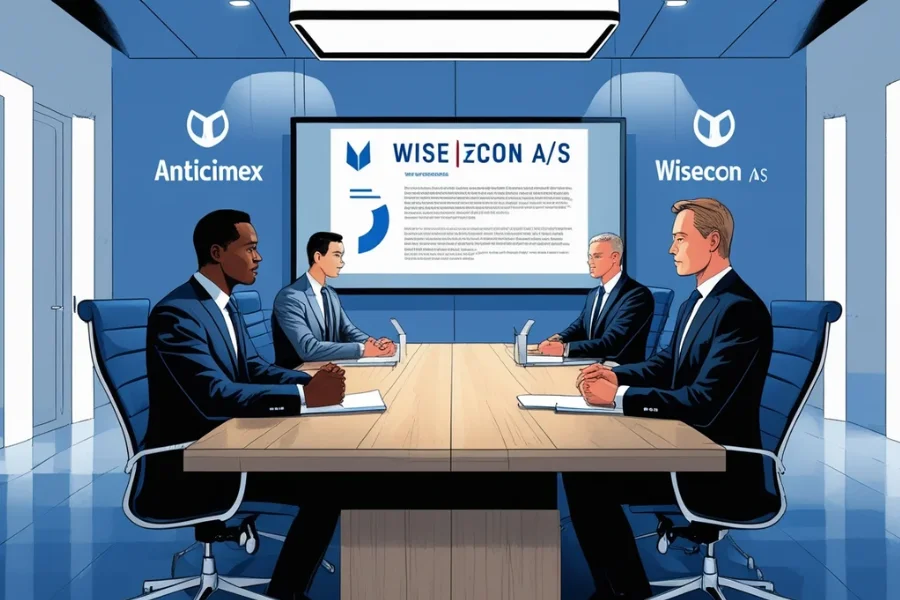
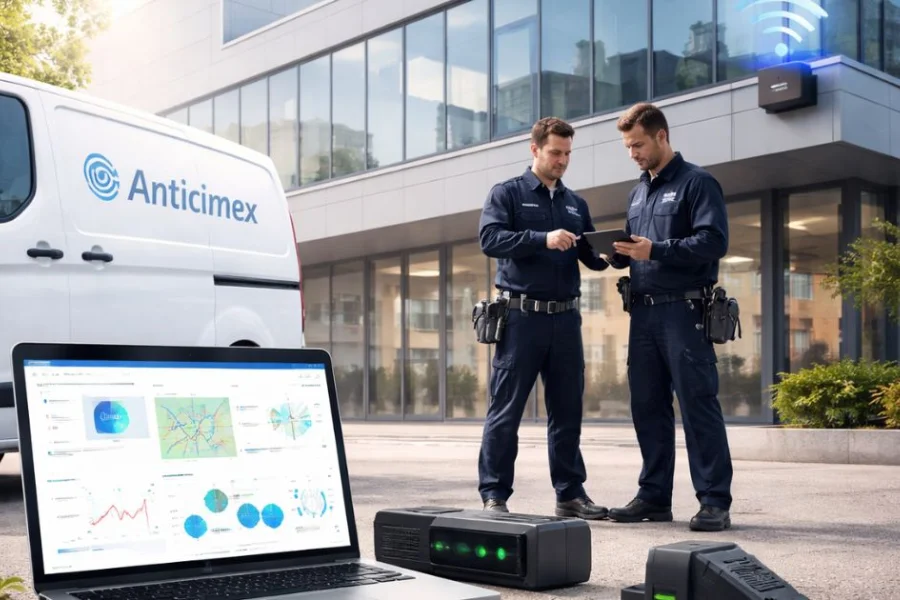
WiseCon A/S brought a different kind of strength: connected pest monitoring technology. Instead of relying on scheduled inspections, WiseCon developed smart traps and wireless sensors that detect pest activity in real time.
Think of it like a smoke alarm. It doesn’t wait for someone to check it. It alerts you immediately. That’s how digital pest monitoring works. When activity is detected, technicians are notified instantly. This reduces unnecessary visits and speeds up response time.
In real life, this makes a huge difference. Imagine managing a food production facility. With traditional service, technicians check traps monthly whether there’s activity or not. With connected devices, you only dispatch when needed. That improves efficiency and lowers costs.
According to Google Developers (2026), IoT systems that convert sensor data into actionable alerts dramatically improve operational efficiency. WiseCon’s technology fits exactly into that model.
For Anticimex, acquiring WiseCon wasn’t about adding revenue. It was about accelerating digital transformation. The technology strengthened the company’s SMART pest control platform and positioned it ahead of slower-moving competitors.
The Real Logic Behind the Acquisition
Every growing company faces a build-versus-buy decision. Should you develop new technology internally, or acquire a company that already built it? Building from scratch takes time, talent, and risk. Hardware development, software integration, and field testing can take years.
Anticimex initially chose a minority investment in WiseCon. That allowed both companies to test collaboration before full integration. It reduced risk while exploring potential synergies. Once the partnership proved valuable, Anticimex moved to full ownership.
This shift from partial stake to full acquisition allowed tighter control over product development and roadmap decisions. When technology becomes central to your business model, you need ownership to protect strategic advantage.
Search Engine Journal (2026) highlights that companies leading digital transformation often control their core technologies to maintain innovation speed. That principle clearly applies here.
The logic wasn’t just expansion. It was securing long-term competitive advantage by integrating essential digital infrastructure into the core business.
How the Acquisition Strategy Works in Practice
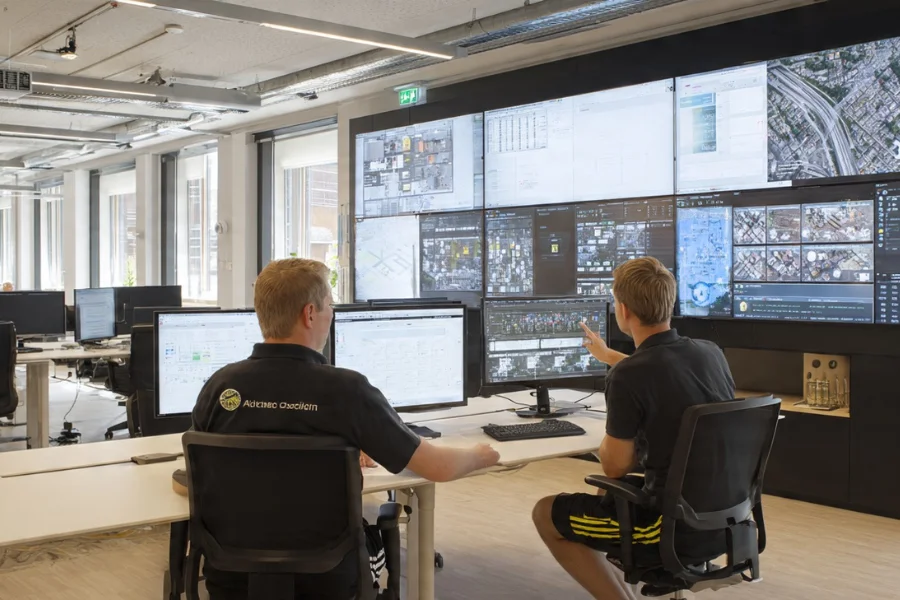
In real life, acquisition strategy isn’t about signing contracts and announcing deals. It’s about building a repeatable system that reduces risk and increases long-term value. The Anticimex Aktiebolag / WiseCon A/S Förvärvsstrategi works because it follows a clear structure every time. There’s no rushing into random markets. There’s no buying companies just to look bigger on paper.
Instead, the company follows a disciplined three-step process: identify the right businesses, evaluate them carefully, and integrate them in a structured way. Each step is designed to protect service quality while unlocking new efficiency.
Think of it like building a house. You don’t just add rooms wherever you want. You start with a strong foundation, check the materials carefully, and then connect everything to the same plumbing and electrical systems. If one part doesn’t fit, the whole structure weakens.
That’s how this strategy avoids the common mistakes many companies make during rapid expansion. It creates consistency across regions while preserving local strengths. The goal isn’t just growth. It’s controlled, scalable growth that improves performance over time.
Step 1 – Identifying the Right Companies
The first step is selection. And this is where many acquisition strategies fail. If you buy the wrong company, even perfect integration won’t fix the problem.
Anticimex focuses on businesses with strong local reputations. Why? Because trust is everything in pest control. Customers let technicians into sensitive environments—restaurants, hospitals, factories. If a local company already has that trust, it’s a powerful asset.
The company also looks for skilled teams and stable recurring contracts. Recurring customers mean predictable income. Predictable income supports long-term planning and investment.
Cultural alignment matters just as much as financial metrics. If a local team values safety, professionalism, and customer care, integration becomes smoother. But if leadership styles clash, friction slows progress.
Here’s how this works in real life: imagine buying a successful local operator in Denmark. Customers know the technicians by name. The company has long-term service agreements. That’s far more valuable than simply acquiring revenue numbers.
Step 2 – Structured Due Diligence and Valuation
Once a target is identified, the deep analysis begins. This stage is detailed and methodical. Operational processes are reviewed carefully. Are technicians properly trained? Are safety protocols followed? Are service standards consistent?
Financial performance is examined closely. Revenue trends, margins, customer concentration, and cost structures all matter. A company may look profitable on the surface, but hidden inefficiencies can reduce long-term value.
Technology compatibility is another major factor. Systems must integrate smoothly with centralized reporting platforms. If data cannot flow easily between systems, operational efficiency suffers later.
This process often takes several months. And that’s intentional. Rushed acquisitions usually lead to unexpected costs after closing.
Think of it like buying a house and hiring a professional inspector. You want to check the plumbing, wiring, roof, and foundation before making a commitment. The same logic applies here.
Valuation isn’t just about agreeing on a price. It’s about ensuring future integration will generate measurable returns.
Step 3 – Post-Acquisition Integration
Integration is where strategy becomes reality. This is the most critical phase. Many companies succeed at buying businesses but fail at connecting them properly.
Anticimex typically keeps local leadership in place. This protects customer relationships and preserves trust. Employees don’t feel replaced. Customers don’t feel abandoned.
At the same time, centralized systems are introduced. SMART monitoring technology is deployed. Reporting standards are aligned. Procurement may be centralized to lower equipment costs.
But balance is essential. Technology must make technicians’ jobs easier. If systems feel complicated or imposed without training, adoption slows. That’s why structured onboarding and gradual rollout are important.
Over time, individual companies become part of a coordinated global network. Data becomes comparable across regions. Performance can be measured consistently.
This structured integration transforms local businesses into components of a larger, efficient system without destroying their identity.
Where the Value Is Created (And How ROI Happens)
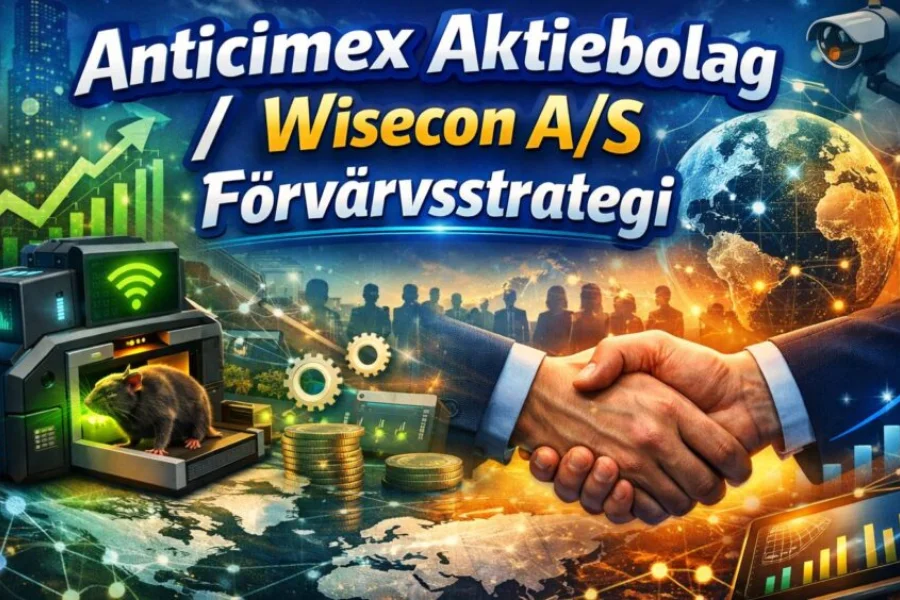
Real value comes from layering multiple improvements together. The first layer is geographic expansion. Instead of building offices from scratch, Anticimex acquires companies with existing customer bases. That accelerates market entry dramatically.
The second layer is operational synergy. Shared purchasing reduces equipment and supply costs. Centralized digital systems improve routing efficiency and reduce unnecessary site visits.
The third layer is subscription-based monitoring. Customers pay for continuous prevention instead of one-time treatments. That creates recurring revenue and smoother cash flow.
Sustainability adds another layer of value. Digital monitoring reduces chemical usage. This supports environmental compliance and improves brand reputation, especially in highly regulated industries like food production.
Finally, service quality improvements increase retention. When customers see data-backed results and faster response times, they renew contracts more consistently.
Individually, each improvement helps. Together, they create stronger margins and more predictable long-term profitability.
Risks and Challenges of the Förvärvsstrategi
Even the most disciplined acquisition strategy carries real risks. The Anticimex Aktiebolag / WiseCon A/S Förvärvsstrategi depends on repeating a structured process across countries, cultures, and regulatory systems. That complexity alone creates pressure. When a company acquires multiple businesses within a short period, management attention becomes stretched. Leaders must oversee integration, maintain service quality, and protect financial performance at the same time. If leadership bandwidth is limited, small operational issues can quickly grow into larger problems.
Cultural resistance is another serious challenge. Field technicians are the backbone of any pest control company. If they feel that new systems are imposed without explanation, morale can drop. A digital monitoring tool might improve efficiency, but if technicians don’t understand how it helps them, adoption slows. That’s why training and communication are critical. Change must feel supportive, not disruptive.
Technology scaling also introduces cybersecurity and data privacy risks. IoT devices collect sensitive operational data. Different countries enforce different regulations around environmental standards and digital security. Compliance must be handled carefully to avoid legal or reputational damage.
The strategy works because risks are anticipated and managed through phased integration and strong governance.
What Business Owners and Investors Can Learn
The Anticimex Aktiebolag / WiseCon A/S Förvärvsstrategi offers practical lessons for both operators and investors. At its core, the strategy shows that acquisitions are not just financial transactions. They are operational transformations. If you approach them casually, value disappears. If you approach them systematically, value compounds.
For business owners, the first lesson is clear: buy strength, not just size. A company with strong processes, recurring customers, and capable teams is far more valuable than one with unstable revenue. Revenue alone doesn’t guarantee long-term performance. Capabilities do.
For investors, the lesson is about predictability. Structured acquisition models reduce uncertainty. When integration follows a repeatable framework, outcomes become more measurable. That’s attractive in industries where demand is stable but growth requires consolidation.
This strategy also highlights the importance of patience. Value is not created on acquisition day. It is created over the following years through operational improvement, digital adoption, and stronger customer retention.
Whether you’re running a company or allocating capital, the principle remains the same: disciplined systems outperform aggressive expansion.
Lessons for Service Companies Considering Acquisitions
If you operate a service business, there are clear and practical lessons here. First, focus on acquiring capabilities rather than just turnover. A company that brings advanced technology, strong management processes, or a loyal subscription-based customer base adds long-term strength. Buying revenue without operational depth often creates integration headaches.
Second, plan integration before signing the deal. Many companies treat integration as an afterthought. That’s risky. You should already know how systems will align, how reporting will work, and how teams will be trained. Clear communication reduces uncertainty among employees and protects service quality during the transition period.
Third, ensure technology supports operations instead of complicating them. Digital tools must simplify scheduling, reporting, and monitoring. If they create extra steps or confusion, field teams will resist using them. Adoption depends on usability.
Finally, remember that culture travels with the acquisition. Respect local leadership while introducing structured improvements. Balance is essential.
Growth through acquisition can accelerate your business. But without operational discipline, it can also magnify weaknesses.
Why This Model Appeals to Long-Term Investors
Long-term investors are attracted to predictable systems. The pest control industry offers recurring demand because hygiene and safety are non-negotiable needs. Subscription-based contracts create stable cash flow, which reduces volatility. That stability forms the foundation of the Anticimex Aktiebolag / WiseCon A/S Förvärvsstrategi.
The industry is also highly fragmented in many regions. That fragmentation creates ongoing acquisition opportunities. A company with a disciplined integration model can continue consolidating smaller operators while improving their efficiency. Each successful integration strengthens the overall platform.
Operational improvements after acquisition often translate into higher margins within a defined time frame. Cost synergies, centralized purchasing, and digital monitoring increase efficiency. For investors, this predictability matters. It allows clearer forecasting of future earnings growth.
Technology adds another layer of attractiveness. IoT-enabled monitoring and data-driven prevention increase customer retention and reduce chemical usage. That supports sustainability goals while improving long-term positioning.
Stable demand, repeatable integration, and technology-driven improvement create a compelling investment profile for patient capital.
What the Future Likely Looks Like
Looking ahead, the acquisition-driven framework is likely to continue evolving rather than changing direction. The Anticimex Aktiebolag / WiseCon A/S Förvärvsstrategi is built on structured consolidation supported by digital tools. That foundation remains relevant as urbanization increases and hygiene standards tighten globally.
Future acquisitions will likely focus on strong regional operators with recurring contracts and solid reputations. As more businesses adopt smart monitoring, digital integration will become faster and more seamless. Predictive analytics may improve early detection, reducing emergency interventions and improving customer satisfaction.
Geographic expansion will remain an important driver. Markets with rising regulatory standards and growing commercial infrastructure present opportunities for structured entry through acquisition. Sustainability will also gain importance. Reduced chemical use and transparent reporting align with global environmental expectations and compliance requirements.
The key difference in the future will be deeper technology integration. Data may become central to performance measurement and service optimization across all regions.
Despite technological evolution, the core philosophy will likely stay consistent: disciplined acquisitions combined with operational improvement and prevention-focused services.
Final Words
The Anticimex Aktiebolag / WiseCon A/S Förvärvsstrategi stands out because it blends local autonomy with global coordination. Many acquisition models either centralize too aggressively or leave subsidiaries too independent. This strategy aims for balance. Local teams maintain customer relationships and market knowledge, while centralized systems provide reporting, technology, and purchasing efficiencies.
Technology acts as a multiplier rather than a replacement. Smart monitoring enhances technician performance instead of removing the human element. That balance protects service quality while improving margins.
Another defining feature is patience. The strategy emphasizes long-term operational improvement instead of rapid, headline-driven consolidation. Each acquisition is evaluated, integrated, and strengthened through structured processes. Over time, this builds a coordinated global network rather than a loose collection of businesses.
In industries undergoing digital transformation, that disciplined approach creates resilience. It supports predictable revenue, stronger retention, and improved sustainability positioning.
Ready for your next adventure? Join us at FunRide Adventures and make every ride unforgettable!