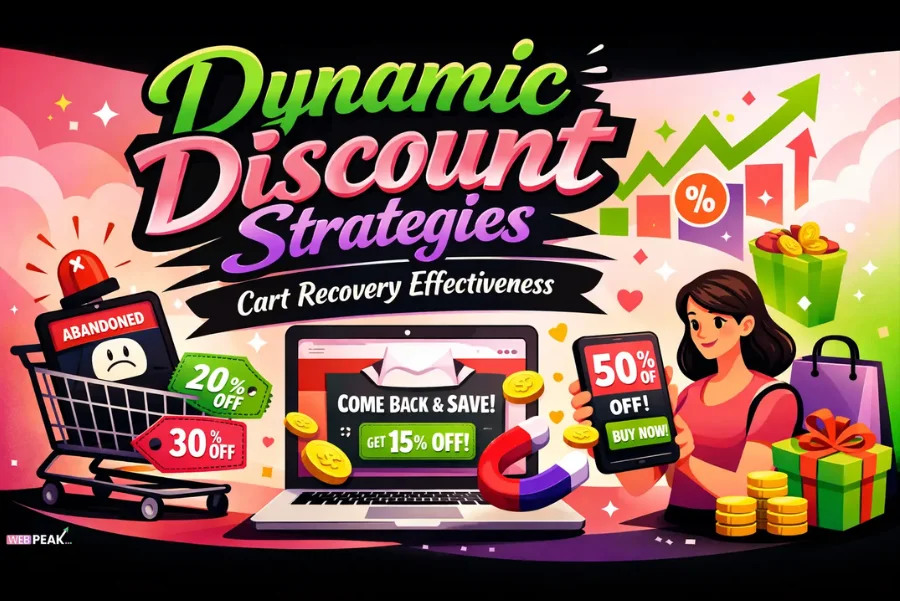
Dynamic Discount Strategies Cart Recovery Effectiveness: A Guide for E-Commerce Success
Dynamic discount strategies cart recovery effectiveness: If you run an online store, you know the frustration. Shoppers add items to their cart, get distracted, and disappear. Every abandoned cart is lost revenue, and that can add up fast. But not all lost sales have to stay lost. Using a profit-first approach with dynamic discount strategies can help you recover more carts without hurting your margins. Let’s break it down.
Understanding Cart Abandonment
Cart abandonment happens when someone adds items to their online cart but leaves without buying. It’s extremely common—around 70% of online carts are abandoned, according to 2023 studies from Baymard Institute. But why do shoppers leave?
Some reasons are simple. Extra shipping costs can scare people away. Distractions happen—maybe a kid needs attention or a call interrupts checkout. Others are comparing prices elsewhere, or struggling with a complicated checkout process. Even small hurdles can cause a cart to be abandoned.
Abandoned carts are more than just lost sales—they’re wasted marketing spend. You likely paid for ads or promotions to bring that visitor to your site. When they don’t buy, that money goes down the drain. Recovering even a small percentage of abandoned carts can meaningfully increase revenue and reduce wasted ad spend.
What Dynamic Discount Strategies Are
Dynamic discount strategies are smart, personalized offers that adapt to each shopper. Unlike static coupons—where everyone gets the same 10% off—dynamic discounts change depending on cart value, past purchases, or likelihood to buy.
For example, someone with a $50 cart might get free shipping. Another shopper with a $200 cart could receive a small percentage off. This way, you’re not giving discounts to people who would buy anyway, protecting profit margins.
Dynamic discounts are powered by analytics and AI tools. They help you determine the right time, amount, and channel for offering a discount. You’re not just increasing conversions—you’re doing it in a way that makes sense financially. Examples include free shipping, percentage-based discounts, tiered offers, or even product bundles tailored to the shopper.
Why a Profit-First Approach Matters
The short-term spike can feel good, but it often erodes profit margins and makes customers expect discounts regularly. Over time, this can devalue your brand and make full-price sales harder to achieve.
With a profit-first mindset, you focus on who truly needs an incentive. High-intent buyers—people who are ready to buy—don’t receive unnecessary discounts. Meanwhile, hesitant shoppers, first-time visitors, or those abandoning a high-value cart get targeted offers that push them to complete their purchase. For example, a returning customer adding a $150 item to their cart might get free shipping, while a new visitor with the same cart value might see a small percentage off. This ensures your discounts are meaningful, not wasted.
Profit-first thinking also protects brand perception. Customers learn that your products are worth the price and that discounts are special, not guaranteed. It’s a careful balance: you recover lost sales while preserving long-term sustainability. This mindset turns cart recovery from a reactive tactic into a strategic tool that supports both revenue and profit.
Using Behavioral Insights to Boost Conversions
Understanding shopper behavior can dramatically improve how you recover abandoned carts. People respond to psychological triggers like urgency, scarcity, and loss aversion. For instance, seeing “Only 2 left in stock!” or “Offer expires in 1 hour” can create enough pressure to push someone to complete a purchase. These cues work because shoppers instinctively want to avoid missing out.
Beyond these general triggers, you can use specific browsing patterns to guide your strategy. If a shopper lingers on checkout for 10 minutes, adds multiple high-value items, or repeatedly revisits a product page, they’re showing signs of hesitation. A small, targeted discount—like free shipping or a $10 coupon—can tip the balance in your favor. Similarly, repeat buyers may require less incentive than first-time visitors, while customers abandoning large carts often respond best to higher-value offers.
Behavioral insights also help you avoid wasted discounts. Instead of giving every shopper a coupon, you can personalize based on their actions and likelihood to convert. This approach ensures your incentives are applied where they matter most, increasing recovery rates without eroding margins. Think of it like offering just the right nudge at the right time, instead of handing out generic coupons to everyone.
Designing and Timing Discounts
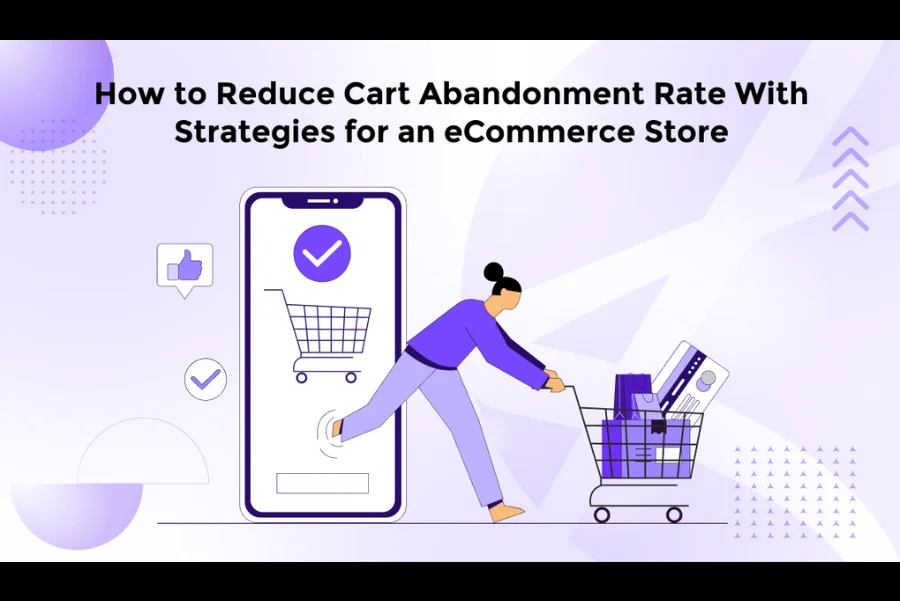
Designing discount rules is about knowing who gets a discount, how much they get, and when they receive it. You want clear guidelines to avoid mistakes like over-discounting or giving incentives to customers who would have purchased anyway. For example, you might set a rule: carts over $100 get a 10% discount after 30 minutes of inactivity, while smaller carts receive free shipping. These rules make your strategy consistent and profitable.
The type of discount matters too. Free shipping often works better for low-margin items than a straight percentage off, while bundling products can increase average order value without eroding margins. Timing is equally critical. Offering incentives too early may train shoppers to wait for discounts, while waiting too long risks losing the sale entirely. A common strategy is to send a first reminder within 30–60 minutes, followed by a stronger offer after 24 hours if the cart is still abandoned.
You can also A/B test different discount types and timing to find what works best for your audience. For instance, one group might respond better to free shipping, while another reacts more strongly to a small percentage off. Combining clear rules with smart timing ensures that every discount is intentional and effective.
Segmenting Customers for Smarter Offers
Not all customers respond to the same incentives, which is why segmentation is critical. You can group shoppers based on cart value, purchase history, and behavior. High-value repeat customers may only need a small nudge, like free shipping. First-time buyers or hesitant shoppers may need more compelling incentives, such as a percentage discount or a bundled offer.
Segmentation also prevents wasted discounts. For instance, a returning customer who frequently buys at full price doesn’t need a coupon, saving you money. Meanwhile, targeting high-risk abandoners ensures you use your resources where they have the greatest impact. In practice, you might segment your audience into three categories: high-value repeat buyers, first-time visitors, and casual shoppers. Each group gets a tailored discount offer based on likelihood to convert.
This approach helps you recover more carts efficiently and profitably. It also improves the overall shopping experience by making incentives feel personalized rather than generic. Customers notice when offers match their behavior, which can increase loyalty and brand trust.
Multi-Channel Delivery and Automation
Dynamic discounts work best when delivered across multiple channels. Email is still the main tool for cart recovery, but SMS, push notifications, and on-site popups can increase engagement. For example, someone who ignores an email might respond to a push notification reminding them of their cart with a small incentive.
Automation tools and AI make multi-channel delivery manageable. You can schedule offers, personalize messages, and track results without manual effort. Analytics show which channels perform best for different customer segments, while AI can even predict the optimal discount amount for each shopper. For instance, if a customer frequently responds to SMS, your system can prioritize that channel over email.
Coordinating messages across channels also prevents overloading shoppers or sending conflicting offers. A clear, consistent approach ensures your discounts feel helpful rather than pushy. In real life, stores using multi-channel dynamic discounts often see higher recovery rates and improved ROI on marketing spend.
Measuring, Scaling, and Avoiding Pitfalls
Recovery isn’t just about how many carts you convert. You need to track recovered revenue, incremental lift, average discount depth, and net profit per recovered cart. These metrics show the true financial impact of your dynamic discount strategy. Avoid common mistakes like over-discounting, mistimed offers, and failing to segment customers, which can reduce effectiveness.
As your business grows, you can scale your approach using modular systems, machine learning, and multi-channel integration. Predictive analytics can forecast which shoppers are likely to abandon and calculate the most profitable discount. Hyper-personalized offers help maintain customer engagement while privacy-first tracking ensures compliance with regulations.
Scaling thoughtfully keeps your cart recovery sustainable. Stores that implement automation, AI-driven insights, and consistent measurement can recover more carts without sacrificing margins. Regularly reviewing performance and adjusting your rules ensures your strategy remains effective even as shopping behavior and market conditions change.
Common Reasons Shoppers Abandon Their Carts
Have you ever put something in your cart online and then just… stopped? You’re not alone. Studies show roughly 70% of online shoppers abandon their carts. Understanding why helps you design strategies that actually work.
One big reason is extra costs. Shipping fees, taxes, or surprise charges at checkout can make shoppers hesitate. Distractions also play a role—kids, phone calls, or sudden errands can pull someone away mid-purchase. Then there’s comparison shopping. Many buyers are price-conscious and hop between stores to see who offers the best deal. Checkout friction is another culprit. Long forms, complicated steps, or confusing interfaces can frustrate shoppers enough to make them leave.
In real life, small fixes can help. If your checkout shows shipping costs upfront, a user knows what to expect. If you offer a one-click purchase button, it speeds things up. Even something as simple as a reminder email or a nudge about a saved cart can make a difference. Each abandoned cart is also wasted marketing spend because you likely paid for ads to drive that visit. Recovering even a fraction of these carts can meaningfully boost your revenue.
The Cost of Blanket Discounts
It’s tempting to offer a 10% off coupon to everyone who abandons a cart. But this blanket approach has hidden costs. First, you might give discounts to people who would have bought anyway, reducing your profit unnecessarily. Second, frequent discounts can devalue your brand. Shoppers may start waiting for a coupon instead of buying at full price.
For example, imagine a returning customer adds a $150 item to their cart. If they get a 10% off email automatically, you lose $15 without really influencing the purchase. Over time, repeated blanket discounts can eat into your margins and create a perception that your products are always negotiable.
A smarter way is a profit-first approach. Only offer discounts to shoppers who need them—hesitant buyers, first-timers, or those abandoning high-value carts. This keeps your incentives meaningful and your profits protected. You also preserve brand value because discounts feel special rather than expected.
How to Calculate Your Maximum Discount Safely
Knowing how much you can afford to discount is critical. Start by understanding your profit margins. For instance, if an item costs you $50 and sells for $100, your gross profit is $50. Any discount must not dip below the amount that keeps the sale profitable.
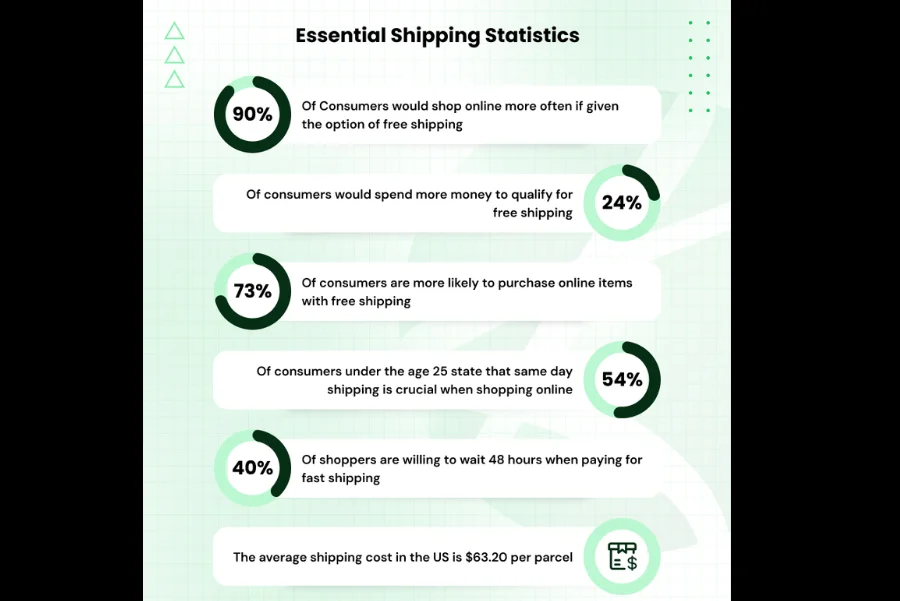
Next, consider shipping, taxes, and any other costs involved. For example, if free shipping costs you $10, offering a 15% discount may wipe out your margin. You can also segment discounts based on cart value. High-value carts may allow bigger discounts without hurting profits, while low-value carts might only get free shipping.
In real-world practice, many stores use a simple formula: Maximum discount = (Item price – Cost – Shipping) × Target profit margin. Then, test small offers first. If that doesn’t work, you can try a modest 5–10% off. This approach lets you recover carts while protecting your bottom line.
Real-Life Examples of Successful Cart Recovery
Seeing strategies in action makes them easier to understand. Let’s say a shopper adds a $75 item to their cart but leaves without buying. A smart cart recovery system sends an email within 30 minutes, reminding them of the item and offering free shipping. Within 24 hours, a second email offers 5% off. This staged approach nudges the shopper without over-discounting.
Another example is using behavior-based personalization. A customer who has browsed multiple items but never bought might receive a bundle discount. Or a first-time visitor abandoning a small cart may get a free gift instead of a percentage discount, making the offer feel special. Retailers like Amazon and Shopify stores have seen 10–30% recovery on abandoned carts using these targeted strategies.
Even small tweaks work. Multi-channel reminders, like combining email and SMS, can further improve recovery rates. The key is personalization, timing, and testing which incentives work best for each segment.
Final Words
If you run an online store, abandoned carts are frustrating. Shoppers add items, get distracted, and disappear—leaving lost revenue and wasted marketing spend. The good news? Not all lost sales have to stay lost. A profit-first approach with dynamic discount strategies helps recover more carts without hurting margins.
Dynamic discounts are personalized offers that adjust based on cart value, shopper behavior, and purchase history. For example, a $50 cart might get free shipping, while a $200 cart gets a small percentage off. The key is targeting hesitant buyers while leaving high-intent customers alone. Timing and delivery matter too—emails, SMS, or push notifications sent at the right moment can make a huge difference.
Using behavioral insights, clear rules, and segmentation ensures every discount is strategic. Real-life examples show that staged reminders, bundles, and urgency messages can recover 10–30% of abandoned carts, boosting revenue while protecting profit.
Ready for your next adventure? Join us at FunRide Adventures and make every ride unforgettable!