Exploring Messagenal: Features, Benefits, and Real-World Business Applications
In today’s fast-paced digital world, messages fly at us from every direction—emails, texts, social media, and pop-ups. It’s easy for information to get lost, misread, or misunderstood. That’s where messagenal comes in. It’s all about sending messages with purpose, clarity, and care, so your words actually land the way you intend. Whether you’re communicating at work, online, or with friends, understanding messagenal can help you stay clear, confident, and safe.
Understanding Messagenal
What Messagenal Means Today
You might have come across the term messagenal online and wondered what it means. In simple terms, messagenal is all about sending messages with purpose, clarity, and care. It’s not just about getting words out quickly—it’s about making sure your message lands the way you intend. Think of it like sending a handwritten note instead of a rushed text: every word matters, and the goal is to be understood.
In today’s fast-paced digital world, we often skim emails, scroll social feeds, or reply without thinking. Messagenal encourages slowing down just enough to focus on meaning, not just delivery. It’s a mindset that values intention over volume, clarity over speed. Whether in work emails, social posts, or texts to friends, messagenal reminds us that communication is about connection, not noise.
Why the Term Is Appearing Online
The term has popped up recently because people are noticing a problem: online communication is messy. Messages get lost, misread, or ignored. Social media, pop-up ads, emails, and unknown platforms flood us with information. Some uses of “messagenal” even refer to unfamiliar sites or messages that feel suspicious.
By highlighting this term, experts want people to pause and think: “Am I sending or reading this message effectively? Or could it be misleading?” Whether it’s about digital safety or improving communication skills, messagenal is gaining attention because it helps us navigate both clarity and caution in a noisy online world.
How Messagenal Shows Up in the Digital World
Common Places You Might Encounter Messagenal
You’ll see messagenal in different ways online. Sometimes it’s in email links or pop-up ads promising deals that seem too good to be true. Other times, it appears in social media posts, unknown websites, or promotional messages that encourage quick clicks. These are usually short-lived or suspicious sites that rely on impulse rather than trust.
Messagenal also appears as a concept in professional or educational content. Blogs, online courses, and digital guides use it to teach better messaging. In short, it can be both a real-world safety term and a communication philosophy. Recognizing where you see it helps you decide whether to be cautious or apply the principles to your own messaging.
Typical Signs of Suspicious or Unknown Platforms
If a message or website feels off, it probably deserves a second look. Common warning signs include missing contact info, unrealistic offers, urgent prompts to click, and unfamiliar domains. These traits often indicate low-trust platforms, which may collect personal info or fail to deliver promised products.
For example, a pop-up claiming “50% off today only!” with no reviews or company info is a red flag. Messagenal encourages noticing these cues and approaching them thoughtfully, not impulsively. It’s about understanding intent—both yours and theirs—before taking action.
Risks and Safety Considerations

Potential Problems with Unknown Sites or Messages
Clicking on unknown links or engaging with unfamiliar platforms can be risky. Common issues include non-delivery of products, unresponsive support, or exposure of personal data. Hackers or scammers can exploit these situations to access credit cards, passwords, or identity info.
Even if a site looks professional, the lack of a track record is a concern. Messagenal thinking helps here: it teaches you to consider the purpose behind the message. Why is this site asking for your info? Why are they offering such big discounts? Asking these questions keeps you safer online.
Protecting Your Personal and Financial Information
To stay safe, verify the legitimacy of sites before sharing details. Use tools like domain lookup services to check how long a site has existed. Read reviews from trusted sources like Forbes, HubSpot, or Search Engine Journal. Avoid unusual payment methods—stick to credit cards or secure gateways that offer buyer protection.
In practice, this might mean pausing before a purchase, doing a quick online search, and choosing a secure checkout. Messagenal isn’t just about messages—it’s about protecting your personal communication and interactions online.
Key Principles of Messagenal Communication
Clarity and Purpose: Why Every Message Matters
When you send a message, the first question should always be: Why am I sending this? Every message needs a clear purpose. Are you trying to inform someone about a change, persuade them to take action, or clarify instructions? Without a defined goal, messages often get long, confusing, or ignored. For example, instead of writing an email like, “Just wanted to remind you about the project deadline and some other things,” a messagenal approach would focus only on the key information: “Project report due Friday at 3 PM. Please confirm submission.” That single sentence delivers exactly what the reader needs to know.
Clarity also means choosing simple words and structuring sentences logically. Avoid overloading a message with unnecessary details, especially in professional or digital communication where attention spans are short. Short, purposeful sentences help the reader grasp the meaning instantly and reduce the chances of misunderstandings. Messagenal thinking also encourages reviewing a message briefly before sending. Ask yourself, Does this say what I intend? Will the recipient understand it the first time?
By starting with a goal and sticking to essential information, you make it easier for others to respond, act, or make decisions. In real life, this approach reduces back-and-forth emails, misread instructions, and wasted time.
Audience Awareness: Speaking to Real People
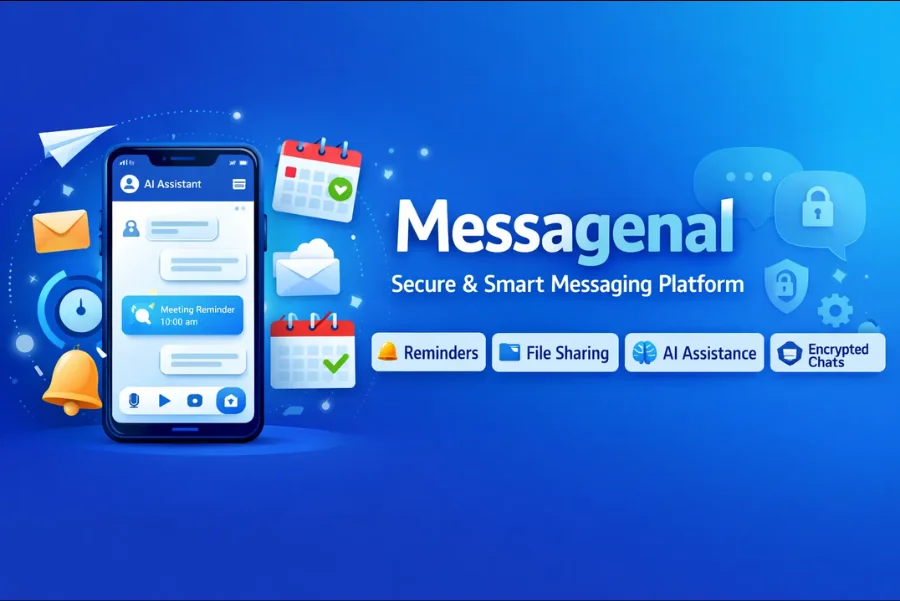
Effective messaging isn’t just about what you say—it’s about who’s receiving it. Different audiences have different needs, knowledge levels, and emotional states. For instance, a detailed technical explanation might work perfectly for a coworker familiar with a project, but it could overwhelm a client or friend with less background knowledge. Messagenal communication emphasizes tailoring your message to the specific reader.
To apply this in practice, start by imagining the person on the other end. Ask yourself: What do they already know? What do they need to know? How might they react? This helps you choose the right words, tone, and level of detail. In real-life scenarios, teachers use this when explaining concepts to students of varying ages, and managers use it when giving instructions to teams with mixed experience levels. Even casual text messages benefit from this awareness—phrasing a reminder as “Don’t forget your appointment tomorrow at 2 PM” is more effective than a vague “You have something tomorrow.”
Audience awareness also extends to cultural and contextual factors. Certain words, phrases, or examples may resonate differently depending on who’s reading. Paying attention to these differences ensures that your message lands as intended and avoids miscommunication.
Emotional Awareness: How Tone Affects Understanding
Humans respond emotionally first and logically second. This means the tone you use can significantly shape how a message is received. Messagenal communication emphasizes being mindful of emotions when writing or speaking. A calm, respectful tone encourages cooperation and trust, while a harsh or sarcastic tone can create defensiveness or stress. This principle applies across all forms of communication—from emails and texts to social media posts and professional instructions.
Emotional awareness also involves recognizing the context of the reader. If someone is busy, stressed, or tired, the same message might land very differently. Adding supportive words, being concise, and avoiding aggressive phrasing can make messages more effective. In customer service or healthcare, this can mean the difference between reassurance and frustration. Over time, practicing this awareness builds trust, encourages responsiveness, and reduces misunderstandings in both personal and professional communication.
Context and Timing: Making Messages Land Correctly
Even the clearest message can fail if timing and context aren’t considered. Context includes where, when, and how a message is delivered. A reminder sent late at night might be ignored or cause unnecessary stress, while instructions shared when someone is busy may go unread. Messagenal communication emphasizes adjusting your message based on these factors to ensure it’s received and understood as intended.
Timing also affects perception. Urgent messages should feel urgent, while casual updates should feel relaxed. Using the right platform matters, too. A quick note about a team meeting might be perfect in a chat app, but too informal in an official email. Context helps you decide both tone and channel. In real life, this means checking schedules, deadlines, and platform norms before sending a message. Even small adjustments, like sending a friendly reminder during working hours, can improve effectiveness and reduce misunderstandings.
Messagenal thinking encourages pausing before sending to evaluate context: Will this message reach them at the right time? Will it be understood correctly? These few extra seconds make a big difference in outcomes, trust, and clarity.
Applying Messagenal in Everyday Life
Work and Professional Settings
In the workplace, unclear communication can slow everything down. Missed deadlines, repeated questions, and misunderstandings are often the result of rushed or vague messages. Applying messagenal principles means taking a moment to be intentional with what you send. For example, instead of sending an email that says, “The project needs to be done soon,” a messagenal approach would be: “Project draft due Friday at 3 PM. Please review the attached checklist and confirm your section is complete.” This gives clear instructions, sets a deadline, and anticipates questions, reducing confusion and repeated follow-ups.
Leaders especially benefit from using messagenal messaging. Teams operate more efficiently when everyone knows expectations, responsibilities, and priorities. Even small adjustments, like breaking complex tasks into bullet points or adding a short summary at the top of an email, make it easier for colleagues to process information quickly. Over time, consistent clarity creates a smoother workflow, reduces stress, and fosters trust between coworkers.
In practice, this might mean sending short, structured messages in project chats, setting clear agendas for meetings, or summarizing decisions in follow-up emails. The key is thinking about how the reader experiences the message, not just that it was sent.
Digital Content and Online Writing
When you write online—whether it’s a blog, social media post, or email newsletter—people are often skimming rather than reading carefully. Messagenal communication helps you structure content in a way that guides readers naturally from one idea to the next. This could mean using headings and subheadings, short paragraphs, bullet points, or clear calls-to-action.
For example, a blog post explaining a new software feature might start with the benefit, follow with step-by-step instructions, and end with a short summary. This approach mirrors how people naturally process information online: scanning first, reading details second. Messagenal thinking also encourages using plain, simple language instead of jargon, which keeps readers from feeling overwhelmed or confused.
Another important aspect is anticipating questions. If you’re writing an email update, consider what a reader might ask and address it proactively. This shows respect for their time and reduces follow-ups or misunderstandings. Over time, consistent, thoughtful messaging builds trust, encourages engagement, and improves recall, because people remember content that is clear, concise, and meaningful.
Personal Relationships and Sensitive Conversations
Messagenal principles aren’t just for work—they apply to personal conversations too. Misunderstandings in texts, emails, or even casual chats often lead to conflict or hurt feelings. Being intentional, clear, and calm with your words can make a big difference.
Tone is equally important in sensitive conversations. Using a supportive, respectful, and calm voice helps the other person receive your message without feeling attacked. Audience awareness matters here as well—consider the other person’s mood, context, and perspective. For example, explaining a concern with patience rather than frustration encourages collaboration and problem-solving.
Even in small everyday interactions, applying messagenal thinking strengthens trust. Clear, thoughtful communication reduces misinterpretation, builds stronger connections, and helps both parties feel heard. Over time, these habits create a more positive and understanding environment in your personal relationships.
Practical Tips for Safe Online Interaction
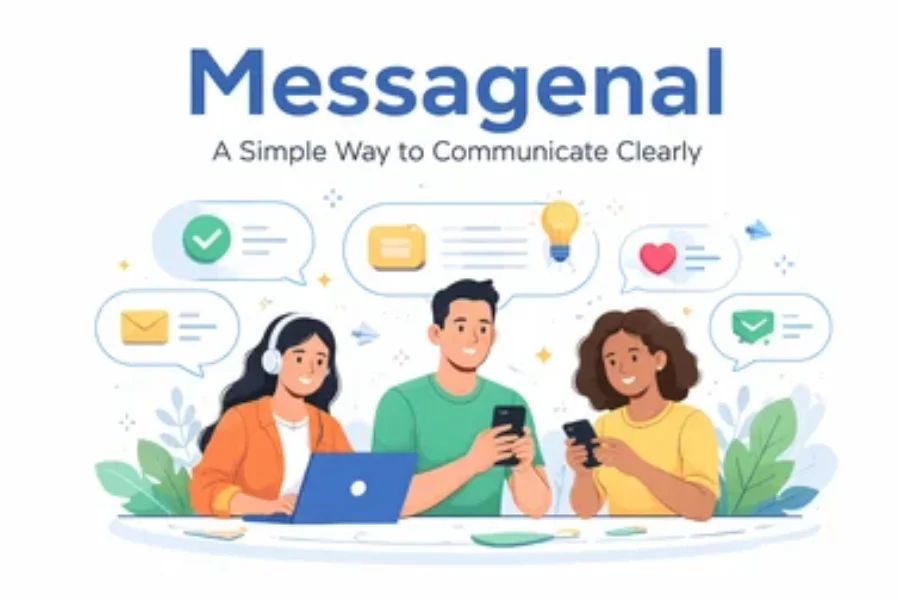
Checking the Legitimacy of Sites and Offers
The first step to staying safe online is knowing how to verify the sites and offers you encounter. Many scams rely on urgency, flashy deals, or unfamiliar domains to get you to click without thinking. Before engaging, take a moment to check the basics. Look up the domain age using public tools like WHOIS or similar services. A brand-new website with no history may be legitimate, but it’s worth extra caution, especially if it’s asking for personal or financial information.
Reviews are another powerful tool. Search for independent opinions on the platform. Trusted sources like Google Reviews, HubSpot blogs, or Search Engine Journal often highlight patterns of fraud, complaints, or safe practices. Avoid relying solely on testimonials from the site itself—they can be faked or curated. Also, check for contact information. Legitimate businesses usually provide a clear email, phone number, or physical address.
Using Secure Payment Methods and Avoiding Scams
Even if a website seems legitimate, the way you pay can determine how safe the transaction is. Stick to credit cards or trusted payment gateways like PayPal or Stripe whenever possible. These methods provide buyer protection, so if a product never arrives or the site disappears, you can request a refund. Avoid unconventional payments such as gift cards, direct bank transfers, or cryptocurrency unless you are certain of the site’s credibility. These methods often have little to no recourse if something goes wrong.
In practice, this means planning ahead: check which payment options a site offers before completing a purchase. For example, a small online shop offering massive discounts but only accepting direct wire transfers is a red flag. Using a credit card instead would provide extra protection in case of fraud. Another good practice is keeping an eye on your account statements. Quick review of transactions helps you spot any unauthorized charges early.
Secure payment practices are a simple but powerful way to reduce the financial risk of interacting with unknown websites. They let you take advantage of online opportunities safely while protecting your personal and financial information.
Habits to Stay Vigilant Without Feeling Overwhelmed
Online safety doesn’t have to be stressful or time-consuming. The key is developing small, repeatable habits that keep you aware without creating anxiety. For instance, set aside a few minutes each day to check links, emails, or offers rather than constantly monitoring every message. This prevents fatigue and helps you focus on critical decisions.
Tools can also help. Ad blockers, browser security extensions, and spam filters reduce exposure to suspicious links or pop-ups. Take your time before clicking any link in an email or social post—if something feels off, pause and verify. Another practical habit is keeping software and devices updated. Many scams exploit outdated browsers or apps.
Finally, mental habits matter as much as technical ones. Ask yourself: Do I need to click this now? Can I verify this easily? Over time, this becomes automatic, reducing the likelihood of impulsive mistakes. A friend who follows these habits might quickly spot a phishing email offering “free prizes” and delete it without stress, while someone less careful could risk sensitive data.
Final Words
Messagenal is all about sending messages with purpose, clarity, and care. It’s not just about getting words out fast—it’s about making sure your message lands the way you intend. Think of it like sending a thoughtful note instead of a rushed text: every word counts. In today’s busy online world, messages get lost, misread, or ignored. Messagenal encourages slowing down and focusing on meaning, whether in emails, social posts, or texts.
It also shows up as a safety concept online. Unfamiliar sites, pop-up ads, or suspicious links often use urgency and flashy offers to get clicks. Before interacting, check domain history, read independent reviews, and verify contact info. Stick to secure payment methods like credit cards or trusted gateways, and pause before clicking impulsively. Simple habits like this protect your personal info, reduce mistakes, and make communication clearer, safer, and more effective for work, relationships, and everyday life.
Ready for your next adventure? Join us at FunRide Adventures and make every ride unforgettable!