Warning About Tusehmesto Explained: Stay Safe Online and Offline
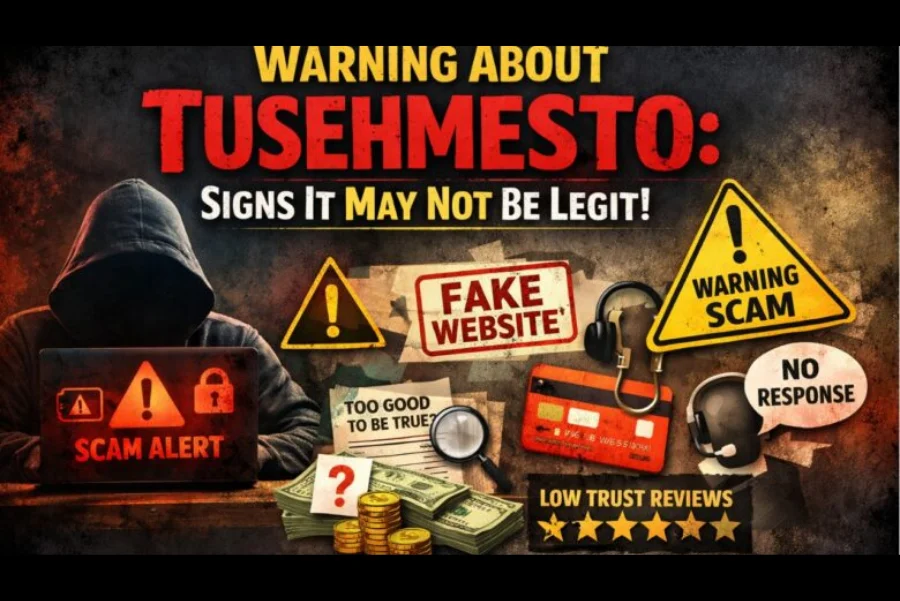
Warning about tusehmesto: You might have seen posts online warning about something called Tusehmesto. The messages can sound serious, even scary. Some say it could harm your health or devices. Others claim it’s part of a scam or an online trick. The problem is that most of these warnings are vague, confusing, or exaggerated.
So, what is Tusehmesto really? And how can you protect yourself without panicking? This article breaks everything down in simple language. You’ll learn what the term means, why people are talking about it, how to spot real risks versus fake ones, and what steps to take if something goes wrong. By the end, you’ll know how to stay safe, informed, and calm.
What Is Tusehmesto?
Tusehmesto is a term that recently started circulating online, but it doesn’t have a clear definition in official health or security sources. Some people claim it’s a harmful substance, while others say it’s an online phenomenon, a potential scam, or even a digital threat. The truth is, nobody can confirm exactly what it is, and that’s why warnings about it can feel confusing.
Social media plays a big role in spreading the term. A few posts claiming it was dangerous quickly snowballed into widespread chatter. Once a topic gains traction online, it can feel urgent and personal, even if the underlying information isn’t verified. You might see videos, blogs, or messages urging caution, often without explaining why or how it’s dangerous.
Here’s a simple example: imagine a friend messages you saying, “Watch out for Tusehmesto, it’s really bad for you!” You don’t know what it is, but the warning triggers anxiety. That’s how the term spreads—through attention, fear, and sharing, more than concrete evidence.
Why People Are Concerned
People are concerned about Tusehmesto for several reasons. First, early warnings appeared alongside anecdotal reports claiming health or device issues. Whether it was fatigue, headaches, or strange computer behavior, some messages suggested exposure could cause real problems. These stories spread quickly because they sounded urgent and personal.
Online platforms also reward sensational content. Posts with “warning,” “danger,” or “risk” in the headline often get more clicks and shares. Even well-meaning users can unintentionally amplify misinformation by passing along these posts without verifying the details. Social proof—seeing friends or influencers post warnings—can make the concern feel immediate, whether or not it’s justified.
Common misconceptions add another layer of confusion. Some people believe Tusehmesto is always harmful, while others assume it only affects certain people. Others claim it’s a virus or digital scam, even without evidence. The reality is less dramatic: most warnings remain unverified, and many are simply attempts to grab attention online.
Real vs. Fake Threats
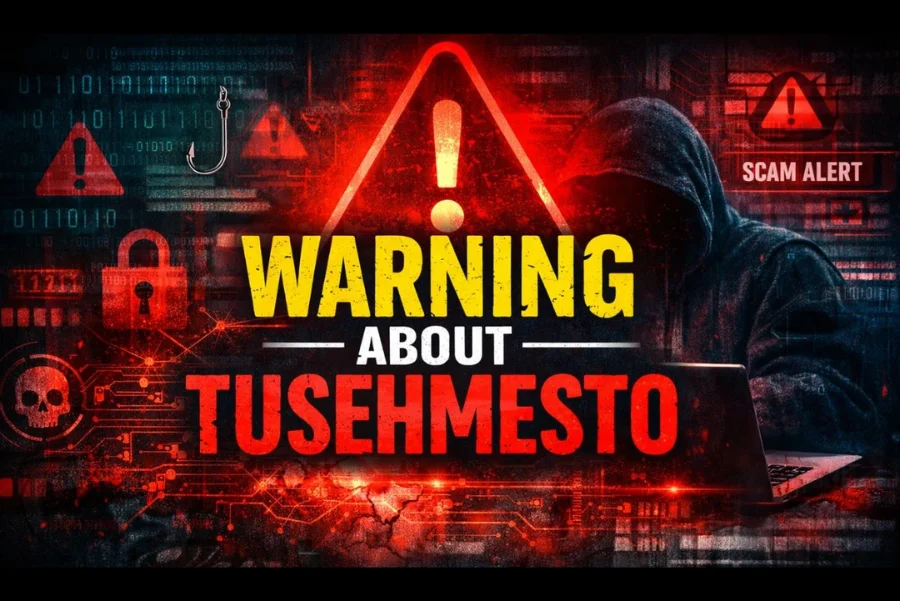
Not all warnings online are created equal. Many alerts about Tusehmesto are examples of misinformation or clickbait. Clickbait headlines are designed to trigger fear, push clicks, and even trick people into downloading software or visiting unsafe websites. These tactics themselves can be risky.
So how can you tell real threats from hype? Real risks are documented, backed by expert advice, and explained clearly. Fake threats often lack evidence, come from unverified sources, or encourage urgent action without proof. For example, a message claiming “Tusehmesto could steal your data—download this tool now!” is almost certainly fake. It’s designed to scare you into acting impulsively.
The same principles apply offline. Sometimes exaggerated claims about new substances, health trends, or local hazards circulate before any formal study confirms them. Staying skeptical of dramatic claims and looking for credible sources, like official cybersecurity organizations or medical authorities, helps you avoid unnecessary stress.
Examples of Real Online Risks
Even if Tusehmesto itself isn’t verified, there are real dangers online that people often confuse with these warnings. Understanding them can help you stay safe.
Phishing Scams: Scammers send emails, texts, or messages pretending to be banks, apps, or social media platforms. They try to trick you into sharing passwords, credit card info, or personal data. A fake warning about Tusehmesto could be one of these tricks.
Malware and Adware: Malware can damage your device or steal data. Adware often appears as annoying pop-ups but can also collect information. Both types of software can be disguised as tools that “protect” you from Tusehmesto.
Ransomware: This software locks your files or device until a ransom is paid. It often spreads through malicious emails or downloads, sometimes disguised as urgent warnings like Tusehmesto alerts.
Fake Software and Scam Websites: Some websites promise protection from Tusehmesto or similar threats. Downloading software from these sources can install malware or steal your data. Only trust official websites or reputable app stores.
Signs Tusehmesto Might Affect You
Because Tusehmesto is vague, signs of “exposure” are often general. Physically, you might feel stress, headaches, or fatigue after reading alarming posts. Emotionally, anxiety or fear can spike. Digitally, you may notice your devices slowing down, pop-ups appearing, or new apps installing unexpectedly.
Patterns matter. If these symptoms appear after interacting with unknown links, software, or messages labeled as Tusehmesto, consider it a red flag. But not every headache or device glitch is a Tusehmesto issue. Sometimes the “symptoms” are just normal stress reactions to scary content online.
Here’s an everyday scenario: you click a link claiming it protects against Tusehmesto. Soon after, your phone behaves strangely, showing pop-ups and slow performance. In this case, the problem isn’t Tusehmesto itself—it’s malware delivered through that link. Recognizing the difference is essential.
How to Protect Yourself
Protecting yourself is about awareness and simple habits. First, check the source before acting. Official cybersecurity blogs, government safety pages, or reputable news outlets are reliable. Avoid reacting immediately to social media posts or messages from strangers claiming danger.
Verify claims by searching for trusted authority information. For example, Google’s Safety Center, Norton, or Kaspersky often list real threats. Never click suspicious links or download unverified tools, even if they claim to defend against Tusehmesto. Keep antivirus software and operating systems up to date to prevent attacks.
Consider creating a personal safety plan. Know what to do if you encounter a suspicious email, link, or download. Teach family members or colleagues about phishing, fake alerts, and online scams. Simple routines, like backing up files or using strong passwords, can prevent serious problems.
What to Do If Something Goes Wrong
Mistakes happen, and that’s completely normal. Maybe you clicked on a suspicious link claiming it would protect you from Tusehmesto, or perhaps you downloaded software without realizing it was unsafe. The first thing to do is don’t panic. Panicking often makes it harder to think clearly, and many problems can be fixed if you act calmly and quickly. A good first step is to disconnect your device from the internet. This helps prevent any malware from spreading or sending sensitive information to attackers.
Next, run a full security scan using trusted antivirus software. Make sure your tools are up-to-date so they can detect the latest threats. If your personal information might have been compromised—such as passwords, banking credentials, or email accounts—change those immediately. Restore your device from a clean backup if you have one. Even if the issue seems minor, addressing it quickly reduces the chance of long-term damage.
Here’s a real-life scenario: someone clicked a fake Tusehmesto warning link and started seeing strange pop-ups and slow performance on their computer. They disconnected from the internet, ran a full antivirus scan, removed malware, and changed passwords for all their important accounts. By acting quickly, they prevented potential data theft and further complications.
The Role of Experts and Authorities
Experts in cybersecurity and public health play a critical role in monitoring emerging threats like Tusehmesto. They research reports, analyze patterns, and issue verified alerts or guidelines to help the public respond safely. Following their advice ensures that you’re acting on accurate information rather than unverified posts on social media, which often spread fear and misinformation.
Authorities such as government agencies and trusted cybersecurity organizations create regulations and best practices to reduce exposure to risks. These rules can include recommendations for digital safety, online habits, and even guidelines for public health warnings. Checking official sources regularly helps you separate real threats from hype. For example, the Cybersecurity & Infrastructure Security Agency (CISA) frequently posts updates about phishing attacks, ransomware campaigns, and other verified online threats. By relying on credible experts, you avoid unnecessary worry caused by viral but unverified warnings about Tusehmesto.
Experts also help educate the public. They provide step-by-step guidance on how to handle suspicious links, malware, or other potential hazards. Following these guidelines can make a huge difference in keeping both your personal information and your devices safe.
How Viral Warnings Spread Online
You’ve probably seen posts that warn about something scary online—like a new virus, scam, or even a term like Tusehmesto. They pop up in your feed and sometimes feel urgent. But why do these warnings spread so fast, even if there’s little proof behind them?
Social media platforms are designed to amplify what grabs attention. Posts that trigger strong emotions—fear, curiosity, or shock—get more likes, shares, and comments. Algorithms notice this activity and show the post to even more people. In other words, scary warnings go viral because they’re emotionally compelling, not necessarily because they’re true.
Real-life examples help illustrate this. Imagine a friend shares a warning about a new “dangerous app.” You click it, then see others sharing it too. The warning multiplies quickly, even though the original claim might have no evidence. This is why you might feel that everyone knows about the threat—it’s just the way online sharing works.
Another factor is repetition. When you see the same warning from multiple sources, your brain interprets it as more credible, even if those sources aren’t trustworthy. This is why some warnings appear legitimate—they’ve been shared widely.
Spotting Misinformation in Health and Cyber Warnings
Not every warning online is true. Some are well-meaning but inaccurate; others are scams designed to trick you. Learning how to spot misinformation can save you stress and protect your personal information.
One key sign of a false warning is vague details. If a post says “This is dangerous!” but doesn’t explain how or why, treat it with caution. Legitimate health and cybersecurity alerts provide clear explanations and credible sources.
Check the source. Trusted authorities like Google’s Safety Center, the CDC, or recognized cybersecurity firms publish verified updates. Compare warnings with these sources before acting. Also, be careful of sensational headlines. Messages like “Your device is at risk!” are designed to scare you into clicking. They often lead to malware or phishing attempts.
Here’s a practical scenario: you receive an email claiming a Tusehmesto virus will damage your phone. The email urges immediate action and a download. Before clicking, you check a trusted cybersecurity site. There’s no mention of Tusehmesto. You realize it’s likely a scam and delete the email. Acting cautiously prevented potential harm.
Common Misunderstandings About New Online Threats
When new threats like Tusehmesto appear online, it’s easy for myths to take hold. Many misunderstandings come from fear, misinformation, or the way information spreads digitally.
One common mistake is assuming that all new warnings are equally dangerous. Some terms gain attention without verified evidence. People may think they’re at risk just because they heard about it online. Another misunderstanding is assuming that only certain people or devices are affected. In reality, many risks are general and preventive actions apply to everyone.
Let’s look at a real-life analogy: a friend warns you about a “new virus” in your neighborhood. You might assume it’s extremely contagious or dangerous, even if there’s no official report. The anxiety spreads faster than the actual threat. Online, the same thing happens with cyber warnings. Panic grows even if the technical threat is minimal.
Misunderstandings also occur when people mix facts with speculation. For example, Tusehmesto has been associated with malware, scams, and health risks, even though there’s no clear evidence it’s directly harmful. Sorting fact from fiction is crucial to avoid unnecessary fear.
Why People Panic About Unknown Terms Like Tusehmesto
Unknown terms spark fear because uncertainty makes our brains anxious. When you don’t understand something, it feels risky, even if the actual danger is low. That’s why a term like Tusehmesto can cause widespread panic online.
Social sharing amplifies the effect. When multiple people post warnings or claim they’ve been affected, it reinforces the sense of urgency. Your mind assumes that if many people are talking about it, the risk must be real. This is called social proof—a natural human response.
Another reason is the fear of missing out. People worry that if they ignore a warning, they’ll be unprepared or harmed. This leads to impulsive behavior, like clicking links or downloading unverified software. Unfortunately, these reactions can create actual risks, like malware infections or scams.
Here’s a practical tip: treat unknown terms like Tusehmesto as neutral until verified. Don’t act based solely on what’s trending online. Pause, check credible sources, and share responsibly. Even experienced internet users fall into the panic trap if they aren’t careful.
Staying Safe in the Future
The best way to stay safe—both online and offline—is to develop habits that reduce risk and increase awareness. Knowledge and vigilance are key. Start by educating yourself about common online threats, such as phishing, malware, and ransomware. Keep your devices updated with the latest security software and system updates. Question sensational claims before acting and verify them through official sources.
Being proactive helps prevent problems before they start. Double-check links before clicking, verify claims with credible authorities, and teach family members or friends about safe online practices. Even simple habits, like regularly backing up your files and using strong passwords, make a big difference in keeping you secure. Encouraging others in your community to follow these habits amplifies safety, creating a culture of caution and awareness.
Over time, consistent vigilance reduces stress and mistakes. Instead of reacting to every warning you see online, you’ll know which threats are real and which are likely hype. This approach applies not only to Tusehmesto but to all online risks. By staying informed and adopting safe practices, you protect yourself and those around you.
Final Words
You might have seen warnings about something called Tusehmesto online. Some say it’s dangerous to your health or devices, while others claim it’s a scam. The truth is, most warnings are vague, confusing, or exaggerated.
Tusehmesto doesn’t have a clear definition in official sources. Social media spreads it quickly because scary or urgent posts get shared more. Repetition and social proof make it feel real, even if there’s no evidence.
Not all online warnings are true. Look for vague claims, sensational headlines, and unverified sources. Real threats, like phishing scams, malware, ransomware, and fake software, are documented and backed by experts. Check credible authorities before acting, avoid suspicious links, and keep your devices updated.
If something goes wrong, act quickly: disconnect from the internet, scan for malware, and change passwords. By staying calm, verifying facts, and practicing safe habits, you can protect yourself and your devices from unnecessary risk.
Ready for your next adventure? Join us at FunRideAdventures and make every ride unforgettable!