Washington Nationals vs Kansas City Royals Timeline: 5 Jaw-Dropping Games You Can’t Miss
If you’re a baseball fan, the matchups between the Washington nationals vs kansas city royals timeline are always worth watching. Even though these teams play in different leagues, their interleague games have produced some of the most exciting moments in recent MLB history. From dramatic comebacks to rising stars making their mark, following their timeline gives you a real sense of how both teams have grown, competed, and thrilled fans over the years.
Understanding the Teams
The Nationals and Royals have very different histories, and that shapes how their games play out. They’re known for strong pitching, strategic plays, and hitters who can change a game in a single swing. Players like Juan Soto have shown how one moment can shift momentum completely.
The Royals, on the other hand, have been around since 1969. They built a reputation for aggressive baserunning, patience at the plate, and a deep bench of versatile players. Think of them as a team that never gives up, even if the scoreboard looks grim.
Interleague play brings these styles together. You’ll often see Nationals’ pitchers trying to shut down Royals’ fast runners, while Royals hitters look for gaps in the Nationals’ defense. These games are more than just wins and losses—they’re a test of strategy, skill, and adaptability.
Early Matchups (2005–2010)
First Games After Nationals Relocation
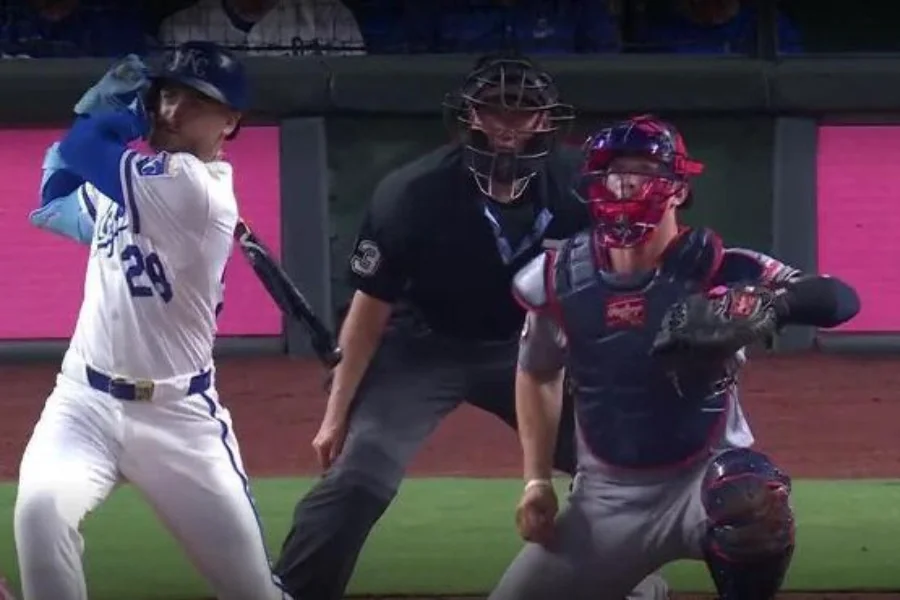
When the Nationals moved to Washington in 2005, their first interleague games against the Royals were a real learning curve. The Nationals were still building a team, and the Royals were experimenting with lineups. Early games were low-scoring, often dominated by pitchers, with tight finishes that kept fans on edge. The tension was visible in every pitch, every defensive play, and every swing at the plate.
For instance, in the Nationals’ debut series, games ended 2–1 and 4–3. These weren’t just scores; they were mini-stories of strategy, patience, and testing young talent under real pressure. Managers tried new lineups, pitchers adjusted mid-game, and rookies learned how fast interleague play moves. Fans watching could sense that this was the beginning of something special. Every close game built the foundation for a competitive rivalry that would only grow over the next decade.
Notable Early Highlights and Standout Players
Even in the earliest matchups, standout players began making a name for themselves. Ryan Zimmerman delivered clutch hits for the Nationals, often sparking rallies late in the game. On the Royals’ side, Salvador Pérez quickly became a key contributor, hitting home runs or driving in runs at critical moments. These players could turn a tight game into a win with one swing, and fans started noticing who performed under pressure.
These early highlights were like watching a TV series’ first season—you could see hints of what made it exciting, even if the story hadn’t reached its peak yet. Fans began remembering certain plays, and the rivalry started developing its own narrative. It wasn’t just about wins; it was about memorable moments and emerging talent that would define future games.
Memorable Comebacks and Pitching Duels
Some of the most exciting early games featured late-inning comebacks. For example, a 2006 matchup saw the Royals edge the Nationals 6–4 after a dramatic rally in the final innings. These moments demonstrated that nothing was ever certain and that games could swing with one at-bat or pitch. Pitching duels were also common. One team might dominate early, only for the other to claw back with strategic pitching changes, steals, or smart base running.
For fans, this unpredictability made every inning feel intense. Even small plays could shift momentum, and you could see the learning curve for young players trying to stay composed under pressure. These early games established the pattern that Nationals-Royals matchups would be full of surprises for years to come.
Mid-Timeline Highlights (2011–2015)
Close Contests and High-Scoring Games
By 2011, both teams had matured, and the matchups became tighter and more competitive. High-scoring games became common, keeping fans on the edge of their seats. In 2012, for example, the Nationals won a thrilling 10-inning game, rallying in the final inning to beat the Royals. Every pitch mattered, and the momentum could shift with a single swing.
These games also taught players to focus under pressure. A small mistake, like a misplayed ground ball or a walk, could cost the game. Managers relied on pinch-hitters, strategic substitutions, and careful bullpen management to secure wins. Fans got to see not just talent, but strategy and decision-making in action. These mid-era matchups showcased the intensity of interleague play and why each series felt like a mini playoff.
Key Home Runs and Pitching Performances
During this period, home runs started defining the rivalry. Nationals sluggers delivered timely hits that could completely change the outcome, while Royals pitchers occasionally threw complete games, dominating the Nationals’ offense. It wasn’t unusual for one game to be an offensive explosion, followed by a pitching masterclass the next day.
For instance, a Royals pitcher might shut down the Nationals in a 3–1 victory, only for Nationals hitters to respond with a late-game home run series in the next matchup. This back-and-forth kept fans invested and added layers of drama to every series. It also highlighted that both teams could adapt, with hitters and pitchers rising to the occasion depending on the day.
Series That Showed Growing Rivalry Intensity
Some series during 2011–2015 were traded back-and-forth. Wins were shared, and the competition grew more intense. Fans began noticing patterns—certain players thrived under pressure, while teams adjusted strategies mid-series to outsmart the other. These series made the rivalry feel personal. Players remembered previous games, and fans marked key matchups as must-watch events.
This period also saw the rivalry developing a narrative. It wasn’t just about wins and losses; it was about pride, momentum, and who could perform when it mattered most. These games became memorable not only for the plays themselves but also for the tension and energy in the stadiums.
Recent Encounters (2016–2025)
Dominant Performances and Offensive Explosions
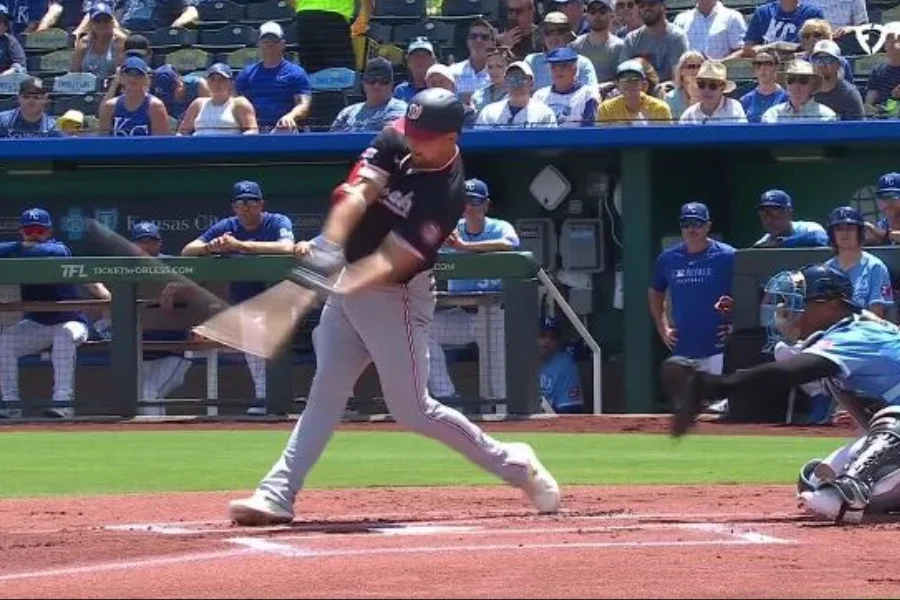
From 2016 onward, the Nationals-Royals series became more unpredictable and exciting, with games swinging wildly in either team’s favor. In May 2016, for example, the Nationals exploded for a 13–2 victory after losing the first two games of the series. These blowouts highlighted how quickly momentum could shift when a team’s offense clicked. It wasn’t just about hitting home runs—it was about timing, base running, and capitalizing on pitchers’ mistakes. Fans watching these games could feel the energy shift with every swing, and stadiums often erupted during long rallies or big innings. Even though one team might dominate in one game, the next matchup could feature a complete reversal, keeping the rivalry fresh and unpredictable. These games also emphasized the strategic aspect of baseball. Managers needed to decide when to bring in pinch hitters, how to handle bullpen matchups, and which players to rest or rotate. In short, every game became a test of depth, skill, and resilience for both franchises.
Dramatic Extra-Inning Games
Some of the most thrilling Nationals-Royals matchups went beyond the usual nine innings. In 2021, a 14-inning battle tested endurance, strategy, and nerves for both teams. Fans in the stadium and watching at home were on edge for hours as every at-bat and pitch had the potential to decide the game. These extra-inning contests are where baseball truly shows its drama: rookies step up under pressure, veteran players guide younger teammates, and managers make clutch decisions that could determine the outcome. For instance, a timely pinch-hit or a double-play could completely shift momentum. Extra innings also reveal team character, showing who can stay focused when fatigue sets in. These games become iconic for fans because they combine tension, skill, and unpredictability in one long, exhilarating experience. Even casual viewers remember these extended battles as some of the most exciting moments of the season.
Emerging Prospects and Veteran Impact
Recent matchups have highlighted how young talent and veteran experience blend to shape results. Nationals prospects have made key contributions in crucial situations, while Royals veterans provide leadership that steadies the team under pressure. A great example is the August 2025 series: the Royals won the first two games with strong performances from players like Vinnie Pasquantino, only for the Nationals to rally in Game 3 with a dramatic ninth-inning comeback. These moments show that every player matters—rookies can make game-changing plays, and veterans can guide a team through tense situations. Fans watching these games can see the passing of the torch between generations and the mix of raw talent and refined skill. This combination keeps the rivalry exciting year after year and ensures that no matchup feels predictable, even if one team appears stronger on paper.
Key Players Who Shaped the Rivalry
Certain players have consistently left their mark on Nationals-Royals matchups. On the Nationals’ side, Juan Soto is known for clutch hits and game-winning moments, while Patrick Corbin’s dominant pitching often sets the tone early. For the Royals, Whit Merrifield’s timely hits and aggressive baserunning frequently turn close games in Kansas City’s favor, and Bobby Witt Jr.’s rising power makes him a threat in any series. These players influence games beyond just numbers: Soto’s walk-offs, Corbin’s strikeout streaks, or Merrifield’s daring steals often define the narrative of a series. Watching these stars perform in key situations shows fans how skill, preparation, and composure under pressure combine to create unforgettable baseball moments. Their impact also demonstrates the importance of individual contributions within a team sport, where one player’s actions can inspire or energize the whole lineup.
Most Memorable Games and Moments
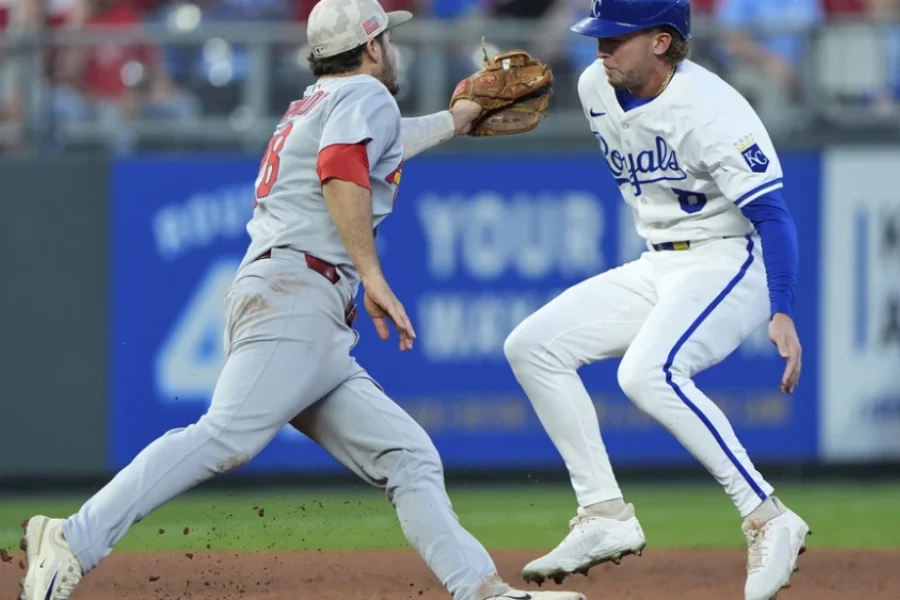
The Nationals-Royals rivalry has delivered countless unforgettable games. Walk-off hits, pitching shutouts, and high-scoring slugfests often top the list. For example, Juan Soto’s 11-inning walk-off single in 2023 thrilled Nationals fans, while Josiah Gray’s May 2024 shutout highlighted pitching mastery. High-scoring contests like the 12–10 slugfest in 2022 demonstrate that even when pitching dominates in some games, offensive fireworks can steal the spotlight in others. Fans also remember the atmosphere: the roar of the crowd, chants after a key hit, and shared moments of suspense when a game could go either way. These memorable games illustrate why the Nationals-Royals rivalry is more than just a tally of wins and losses—it’s a collection of moments that excite, inspire, and bring fans together, creating stories they’ll talk about for years.
Head-to-Head Records and Trends
Through 2025, the Nationals lead the all-time interleague series 16–11, though many individual series have been closely contested. Recent seasons show a balanced competition, with split series and games often decided in the final innings. Analysts often track these matchups for trends: how well each bullpen performs, how effectively teams execute in late innings, and which hitters thrive under pressure. Wins in these series can also affect momentum for the rest of the season, influencing division races or Wild Card chances. For fans, these records are more than numbers—they tell a story about which team has the edge, which players rise in critical moments, and which games are likely to be intense. Despite the historical edge for the Nationals, the Royals have repeatedly shown they can respond and swing series in their favor, making every matchup unpredictable.
Looking Ahead: What Fans Can Expect
The Nationals-Royals rivalry isn’t slowing down. Young stars like Bobby Witt Jr. will continue to make an impact, while Nationals prospects may emerge as the next big names. Expect close games, dramatic late innings, and moments that make you jump from your seat. Each series adds another chapter to this rivalry, building on the drama, strategy, and history between the two teams. Fans can look forward to watching how young talent blends with veteran experience, creating exciting matchups and unpredictable outcomes. Interleague play ensures these games remain must-watch events, and whether you root for Washington or Kansas City, the storylines and memorable moments will continue to captivate audiences.
Final Words
The Washington Nationals vs Kansas City Royals timeline is packed with action. These games show how fun interleague baseball can be. Every matchup feels a little different. You see the Nationals in their early years in Washington. You see the Royals with their veteran leaders. Each game tells its own story. There’s smart strategy. Real skill. And plenty of surprises.
We’ve watched tight pitching battles. Games where nobody scores for innings. Then suddenly, everything changes. A late comeback. A clutch hit. Think about players like Juan Soto, Patrick Corbin, Whit Merrifield, and Bobby Witt Jr. One swing can flip the score. One pitch can end the threat. That’s how fast things move. Picture yourself in the stands. It’s loud. A runner breaks for home. Everyone holds their breath. Or a ball flies over the fence. The crowd jumps up at once. You feel that rush in your chest.
Following this timeline helps you see how the rivalry grows. Teams don’t stay the same. They learn. They adjust. What worked last year might not work now. Momentum can shift in one inning. A young player steps up. A veteran calms things down. It’s like watching a kid learn to ride a bike while a parent runs beside them. When you look back at old games and head-to-head records, you see more than scores. You notice patterns. Who plays well under pressure? Who struggles in big moments? Why do some games stick in your mind for years?
It’s like reading a long book. Each chapter builds on the last. One game shows teamwork. The next shows grit. Another shows clever strategy. Some players become heroes. Not just for one night, but for a whole fan base. Even if you’re not a huge fan, you can feel the tension. The hope. The excitement. Baseball has a way of pulling you in. If you enjoy skill and drama, this timeline is worth following. Every pitch matters. Every swing counts. And the story between the Nationals and Royals keeps getting better.
Thanks for reading—come back to FunRide Adventures for more stories, tips, and experiences that make every adventure unforgettable!